
Dog Itching in Dubai: What to Rule Out First
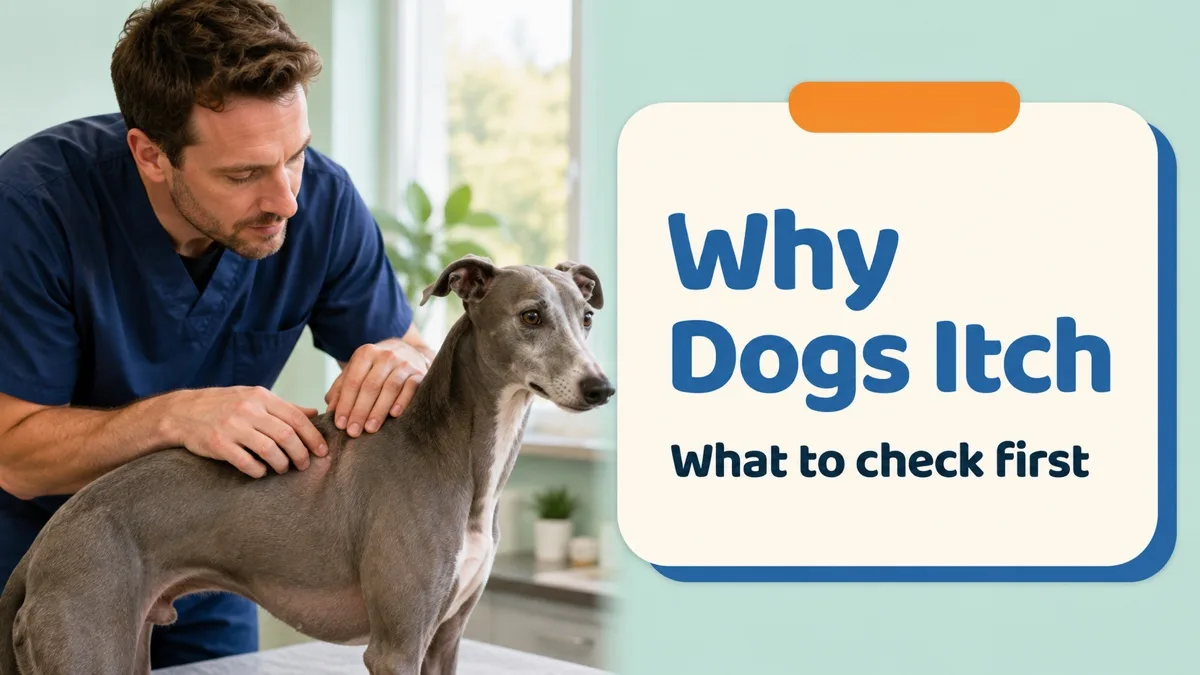
A dog who scratches through the night is one of the most common reasons owners in this city book an appointment, and one of the most frustrating to get anywhere with, because dog itching is a symptom rather than a diagnosis. Parasites, infection, food and the environment all produce it, and progress depends almost entirely on the order in which they are ruled out.
What follows is that order, and the part of the work that happens at home before anybody examines him. It names no medicines and no doses — the treatment belongs to the veterinarian who has examined the skin in front of him, and many of the dogs we see arrive having already had two or three products applied at home.
The order is most of the diagnosis
Skin has a limited vocabulary. Parasites, infection, food and the environment all produce a red, itchy, uncomfortable dog, and the surface rarely tells you which one started it. So the work is done by elimination, in a fixed sequence, and the sequence is not arbitrary — each step removes a cause that would otherwise ruin the interpretation of the next one.
Parasites come off the list first, always, and by treatment rather than by inspection. Owners resist this step more than any other, because they have looked and seen nothing — but a clean coat is not evidence of absence, and a sensitised dog can react hard to a handful of bites nobody ever sees. Skipping step one means every later conclusion rests on an unchecked assumption.
Then comes infection, then a properly run food trial, and only then the environmental allergies that most owners suspected from the beginning. Dogs arrive at our clinic having started at the last step — a new food, a new shampoo, a supplement — and the reason that so seldom works is not that the theory was wrong. It is that it was tested on a dog who still had two untreated problems underneath.
The fortnight before the appointment does work no test can do
Bring dates. When the scratching started, whether it has ever fully stopped since, which parts of himself he goes for, whether he is worse at three in the morning or after a walk, and what has already been applied and when — that last one matters more than owners expect, because a product used four days ago changes what a sample taken today is able to show.
The surface he lies on belongs in that note as well. Artificial grass is now the default in compounds and on apartment balconies, and it behaves nothing like a lawn: it heats, it holds moisture underneath after it is hosed, and the contact areas on a dog — belly, groin, the underside of the paws, the chin — are exactly where owners point when they show us the redness. A dog who lies on it for hours a day has continuous contact with something a garden never gave him.
So does the door itself. He moves between a dry, air-conditioned interior and heavy coastal humidity several times a day, every day of the year, and skin that never settles at one moisture level defends itself less well than skin that does. Dust and the air conditioning belong in the history too, and we ask about all four of these by name at the first appointment rather than treating them as background.
The second problem does most of the damage
An allergic dog does not usually arrive with the allergy as his worst issue. He arrives with what grew on top of it. Scratched and licked skin loses its barrier, and the bacteria and yeast that live harmlessly on every dog take the opening — which is why the ears, the paws and the folds are so often where the smell, the discharge and the real discomfort come from.
That secondary layer is also what makes owners believe a treatment failed. The allergy control works, the infection underneath does not resolve on its own, the dog keeps chewing, and the conclusion drawn is that nothing helped. Clearing the infection and controlling the allergy are two separate jobs done at the same time, and a dog who has had this happen several times usually needs the recurring pattern investigated rather than the current flare treated again.
Food is a real cause and the most over-used explanation
Food-responsive skin disease exists and it is worth finding, because it is one of the few causes that can be genuinely controlled rather than managed. But it accounts for a much smaller share of itchy dogs than the internet suggests, and the way most owners test for it guarantees an uninterpretable result.
A food trial means one strictly controlled diet, with nothing else — no treats, no chews, no flavoured products, no scraps from a child at the table — held for long enough for the skin to respond, then a deliberate return to the old food to see whether the signs come back. Anything less is not a trial. And the blood tests marketed directly to owners for food allergy do not reliably identify the culprit, which is why we would rather spend the money on the diet itself and the follow-up that confirms it.
What testing settles and what it does not
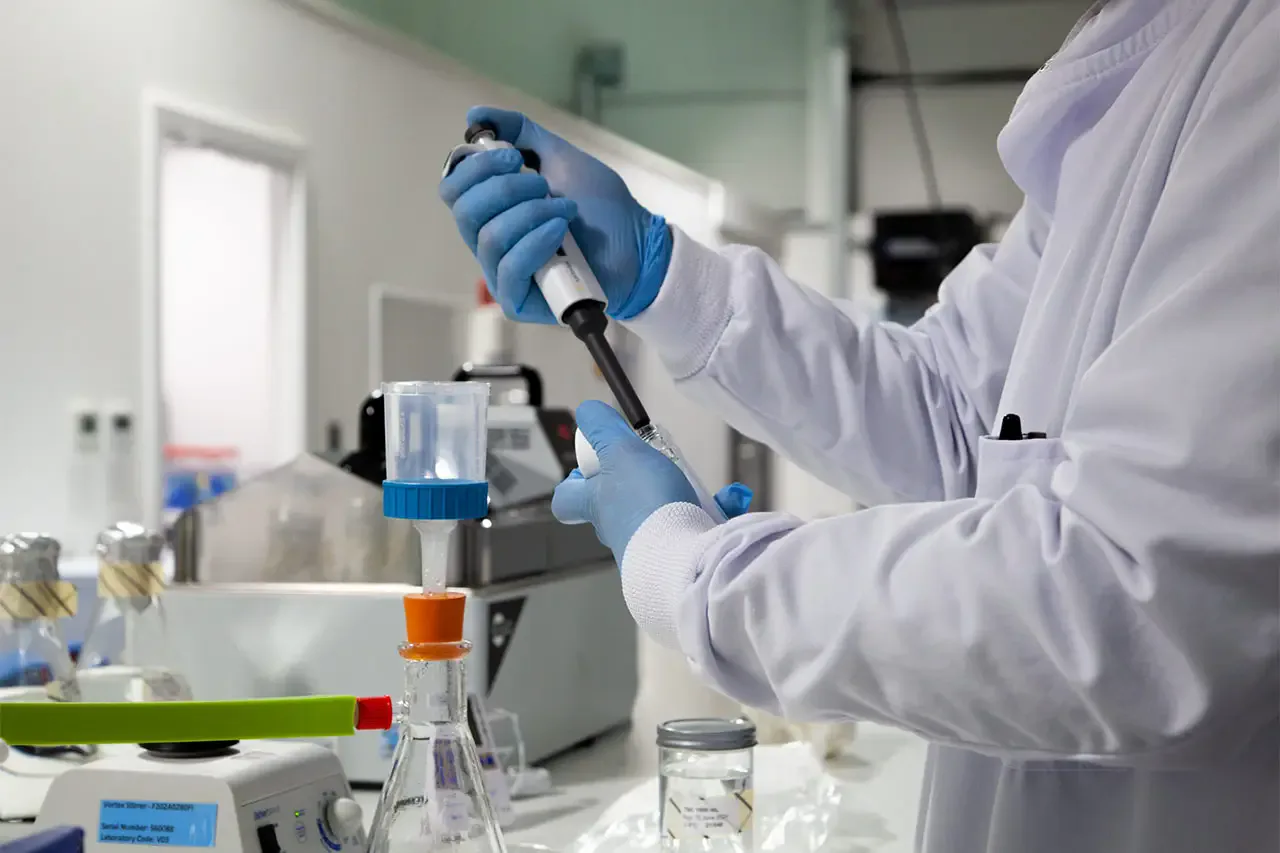
The tests that earn their place early are the unglamorous ones. Samples taken from the surface of the skin and the ears tell us whether we are dealing with bacteria or yeast and how heavy the growth is, and hair examined under the microscope answers questions about mites and fungal disease that guesswork cannot. These are run in our own laboratory during the appointment, so the plan you leave with is built on what was on the slide rather than on an impression — the range is on our skin testing page.
What no test does is hand you the environmental allergy diagnosis directly. That one is reached by exclusion and by response, over months rather than in a single visit, and any clinic that offers a quick blood test as the shortcut to it is selling certainty that does not exist. Being told honestly that this will take time is more useful than being told it will not.
Bathing him more is not automatically the answer
Owners reach for the bath because it visibly does something, and washing frequency does matter — but ordinary shampoo on a damaged skin barrier, applied often, usually makes the dryness worse. The useful version is a specific product for a specific finding, at a specific interval, decided after the skin has been examined.
Where a groom genuinely helps is in the mechanics: coat kept short enough in the contact areas that the skin can be seen and treated, ears dried properly, paws checked between the pads, and a set of hands on the dog every few weeks that notices a change before you do. We schedule that alongside treatment rather than instead of it, and how a medicated bath is handled for a sore dog is on our medicated grooming page.
What it costs
A consultation at Petbook is AED 120, and a grooming session is priced by weight — AED 145 for a dog under ten kilos, AED 165 from eleven to twenty, and AED 200 from twenty-one to forty. Those are published prices. Diagnostics and treatment for an allergic dog are not, because they depend entirely on what the examination finds, so message us on WhatsApp for a same-day quote — and how a long-term plan is built for a dog who flares every year is on our allergy treatment page.